
Powered By


Living with hidradenitis suppurativa (HS) can affect far more than the skin. It can shape how you move, how you feel about yourself, and how you connect with others. But people outside the HS community don’t understand what it’s really like.
In a Q&A thread on myHSteam, members were asked “What Do You Wish Others Understood About Living With HS?” Among the 60-plus responses, members highlighted the physical pain, emotional toll, and common misconceptions that can make this condition even harder to live with.
One of the most common frustrations is the assumption that HS is linked to being “unclean.” Many myHSteam members stressed how hurtful and incorrect this belief is.
Several members made this point clearly and repeatedly. One shared, “I wish that people understood HS isn’t something caused by bad hygiene or is something we can prevent. I’m not dirty, I’m not a monster.”

These misconceptions can lead to shame and judgment. In reality, HS is a chronic inflammatory condition. It is not caused by poor hygiene, and it’s not something you can simply wash away.
Many people with HS worry about how others perceive them, especially the fear that others think it can spread through physical contact.
As one myHSteam member put it, “That I’m not contagious. You can’t catch this by a  hug or a touch.”
This misunderstanding can affect relationships, dating, and even casual interactions. Clearing up the myth of contagion can help reduce stigma and make it easier for people with HS to feel accepted.
Pain is one of the most common and difficult parts of HS. It can affect daily activities, sleep, and overall quality of life.
Many myHSteam members described how severe it can be. “It’s painful, and it affects me negatively with sadness,” wrote one member.
For some, the pain limits movement. Even basic tasks — like walking, sitting, or getting dressed — can become difficult during flare-ups. One member said they wished others understood not just the pain but “constant immobility.”
Beyond physical symptoms, HS can take a serious emotional toll. Feelings of depression, embarrassment, isolation, and anxiety are common.
One myHSteam member shared, “It psychologically challenges you.”
Another said, “This disease can strip you of your dignity.”
Some members described how overwhelming it can feel. “Everything runs through the mind dealing with HS,” one member wrote. “People just don’t understand how this can affect someone traumatically.”
“It psychologically challenges you.”
These experiences show how important emotional support and understanding can be.
HS isn’t always visible to others. Many people live with symptoms hidden under clothing, which can lead others to underestimate how serious it is.
As one myHSteam member explained, “I wish others would understand that HS is a progressive, debilitating condition. I am not fine. Just because I look OK on the outside doesn’t mean I am not suffering on the inside and underneath my clothes.”
This disconnect can make it harder for others to offer empathy or support.
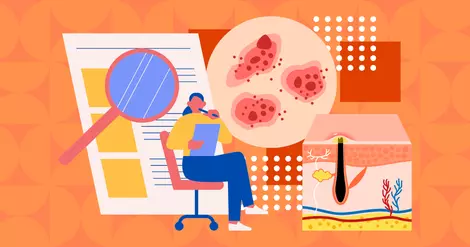
HS is sometimes misunderstood as a minor skin issue. But members emphasize that it’s much more complex and not easily treated.
“It’s not just a little pimple,” one member wrote. “Having it cut on doesn’t fix it. Taking the drug won’t cure me.”
Some members noted they received well-intentioned but misguided tips about how to treat their HS, like using certain hygiene products or making dietary changes. “Changing things such as changing soaps, laundry soaps, and the way I eat does nothing for my HS!” a member wrote.
HS requires ongoing medical care, and even then, results can vary widely.
The visible symptoms, scarring, and sometimes odor associated with HS can lead to embarrassment and social withdrawal.
“It’s the smell, the feeling that people are staring at me and judging me,” wrote one member.
Because of this, some people avoid social situations altogether. As one member explained, “It makes you not want to be around a lot of people.”
This isolation can affect friendships, relationships, and overall well-being.
HS doesn’t just affect health. It can change how people live their lives.
Some myHSteam members described losing opportunities or struggling to keep up with daily responsibilities. One said, “Case in point: ‘I’ve lost jobs because of flare-ups.”
“I’ve lost jobs because of
flare-ups.”
Others spoke about strained relationships. One member shared, “How stressful it can be dealing with people in general. I’ve lost a lot of supposed-to-be friends.”
Even family life can be affected. As one member said, “I am not abandoning my family. I just have to slow down and take care of myself.”
Fatigue and pain can make it hard to stay active, but that doesn’t mean people with HS aren’t trying.
One myHSteam member said it clearly: “We’re not lazy. Just mentally and physically tired from the pain, so it’s better to just sit or lay down.”
Understanding this can help others be more supportive and less judgmental.
Many members said that what they want most is simple: awareness, empathy, and kindness.
One myHSteam member shared, “I wish that people would learn about the disease before passing judgment.”
Another said, “Be empathetic because everyone is dealing with something, and you wouldn’t want to be judged by what you go through.”
Greater awareness can reduce stigma and help people with HS feel less alone.
On myHSteam, people share their experiences with hidradenitis suppurativa, get advice, and find support from others who understand.
What do you wish others understood about living with HS? Let others know in the comments below.
Get updates directly to your inbox.




 Continue with Facebook
Continue with Email
Continue with Facebook
Continue with Email
Continue with Facebook
Continue with Email
Continue with Facebook
Continue with Email
Become a member to get even more





 Join
Join

 Your Privacy Choices

This is a member-feature!
Sign up for free to view article comments.
Have a lot of boils at the moment also found a lump in my breast so must get a momogram depression at an all time low dont even want to leave house. Doctor has me signed out of work for 3 weeks feel… read more
We'd love to hear from you! Please share your name and email to post and read comments.
You'll also get the latest articles directly to your inbox.