
Powered By



The itchiness that comes with hidradenitis suppurativa (HS), or acne inversa, can be one of the condition’s most irritating and debilitating symptoms. An aggravating nuisance throughout the day, itching can also deprive you of much-needed sleep at night. Members of myHSteam often discuss how HS-induced itchiness interferes with their quality of life and solicit tips on how to find itch relief.
Sign up to view the results!
 Continue with Facebook
Continue with Email
Continue with Facebook
Continue with Email
“I’m currently having a flare-up as we speak — I’ll be up all night itching and irritated. I’m so sick of going through this,” one member shared.
“Tired of itching all the time because my skin is so dry … can’t sleep … again,” another member said.
You can try several techniques to calm HS itchiness. Everyone is different, so a remedy that works for someone else may not work for you. Check with your doctor or dermatologist before trying new treatments or skin care remedies. Remember that even over-the-counter products can have side effects, so it’s important to use them as directed.
Researchers aren’t entirely sure what causes itchiness linked to HS, although they’ve found that the symptom affects between 62 percent and 75 percent of people with the condition. HS breakouts on the armpits, groin, and thighs are often the itchiest, according to the American Academy of Dermatology.
One theory is that the itchiness may result from the release of histamine from mast cells in the nodules, abscesses, and surrounding skin. This histamine release can cause itching and other allergic symptoms.

Additionally, the formation of scars from HS can lead to nerve irritation, and scar tissue itself can be itchy. Although pain is a more common HS symptom, the itch can also be quite bothersome, especially at night, making it difficult to sleep.
“Scratching somewhere, only to realize that that particular bit is itching because it’s a lesion and you’ve just scratched the top off. Oh, the pain is real,” a myHSteam member wrote.
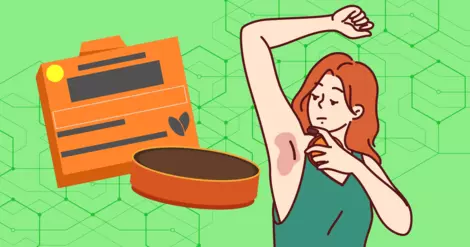
There’s limited research on how to relieve itchiness specifically for HS. However, there’s been a lot of research into why other health conditions cause itchy skin, so a variety of dermatologist-recommended techniques can both prevent and soothe itchiness. Members of myHSteam have also discussed the products, techniques, and home remedies that work for them.
Does Hidradenitis Suppurativa Itch? 7 Tips for Relief
00:00:00:00 - 00:00:28:14
Voiceover
Hidradenitis suppurativa (HS) is known for its painful flare-ups, but does it itch? If you're dealing with HS itch, here's why it happens and how to get relief. Why does HS itch? Experts believe HS-related itching is linked to inflammation, histamine release, and even nerve irritation from scarring. Tip number one, wash with care. Antibacterial cleansers can help, but harsh soaps with fragrance and exfoliants may make itching worse.
00:00:28:16 - 00:00:57:26
Voiceover
Use gentle, anti-microbial washes. Tip number two, keep cool. Heat can worsen itching. Try a cool compress, or store your moisturizer in the fridge for extra relief. Tip number three, take a lukewarm oatmeal bath. Hot water can dry out skin, but an oatmeal bath can soothe irritation and lock in moisture. Tip number four, use anti-itch topicals. Look for ingredients, like aloe, menthol, hydrocortisone, or antihistamines to calm the itch.
00:00:57:28 - 00:01:25:29
Voiceover
Tip number five, wear breathable clothing. Tight fabrics and rough textures can make itching worse. Loose, moisture-wicking fabrics like cotton or bamboo are best. Tip number six, manage stress. Stress can trigger inflammation and worsen itching. Deep breathing, meditation, or gentle movement may help calm flare-ups. Tip number seven, work with your doctor. HS itching can be a sign of inflammation.
00:01:26:02 - 00:01:38:29
Voiceover
Talk to a dermatologist about treatment options. Itching from HS is frustrating, but relief is possible. Try these tips, and find what works for you. Learn more and connect at myHSteam.com.
Washing regularly can help reduce bacteria on your skin and may prevent or reduce HS flare-ups, which may help ease itchiness. Be mindful of the soap or cleansers that you use and how you treat your skin when you wash.
When choosing a soap or bodywash, look for an antimicrobial option. By lowering the amount of bacteria on your skin, you can reduce flare-ups.
Cleveland Clinic recommends avoiding soaps and cleansers that contain:
Antiseptic cleansers containing benzoyl peroxide, zinc pyrithione, or chlorhexidine may also help. These products can dry out the skin, so start by using them just once a week. If your skin tolerates the ingredients well and they help your symptoms, move on to daily use.
One myHSteam member recommended Dr. Organic Aloe Vera Body Wash. “I have been testing this stuff out, and it’s brought very good results so far,” they reported. “It’s stopped the itching that drives you crazy.”
Another member reported positive experiences with Dial Gold, an antibacterial soap: “Yesterday, I bought some Dial Gold. Showered with it, and I haven’t itched since.”
Remember that when you’re washing your skin, you’re not sanding a deck. Be gentle with the affected areas to avoid triggering inflammation or causing a lesion to burst. Washcloths, loofahs, and the like can irritate the skin, so don’t use them — let the soap or cleanser do the work.
After washing, gently pat the affected areas with a clean towel to remove excess moisture. Keep the area dry since moisture can worsen HS symptoms.
Topical cooling is a time-tested remedy for relieving itchiness. “Doing cold compresses,” one myHSteam member told another.
The American Academy of Dermatology suggests applying a cool, damp cloth or an ice pack to itchy spots for five to 10 minutes. Products containing cooling agents like menthol — which comes from peppermint — or calamine can also help. You can also try cooling your moisturizer of choice in the refrigerator.
Sweating and overheating can make HS symptoms worse. Limit activity when it’s hot or stay indoors, ideally in an air-conditioned space. Enjoy outdoor time in the morning or late afternoon when the sun isn’t as intense.
Bathing (or showering) in lukewarm water can help prevent itching. Don’t turn up the heat too much, though, even if it feels good. Hot water can dry your skin, which can worsen inflammation. Limit your shower or bath to 10 minutes.
In a pinch, a warm compress may relieve swelling and inflammation. Run warm water over a clean washcloth, wring out the excess, and place the cloth on your itchy area for about 10 minutes.
Although a lukewarm bath can help, you might get additional relief by adding certain ingredients.
Researchers have found that colloidal oatmeal — finely ground oatmeal — can help with chronic, itchy skin caused by skin conditions like eczema or psoriasis. Colloidal oatmeal also has moisturizing and cleansing properties.
To prepare an oatmeal bath, finely grind about a cup of oatmeal and add it to a tub of lukewarm water. Soak for about 15 minutes. You can also buy over-the-counter oatmeal bath treatments.
Some myHSteam members have found that baths with Epsom salts provide relief. Epsom salts are magnesium sulfate — magnesium is considered the active ingredient. The International Association of Hidradenitis Suppurativa Network recommends a warm bath with Epsom salts to relieve itchiness.
“Epsom salts baths help with inflammation and are especially relaxing before bed,” one member shared.
Some over-the-counter anti-itch creams, ointments, wipes, and pads may bring relief. In addition to menthol and calamine, potentially helpful ingredients include:
Natural ingredients and over-the-counter medications may cause side effects, like contact dermatitis, or interfere with your current treatments. Check with your doctor before adding a new treatment to your regimen, and make sure to read the directions carefully.
Tight clothing, especially in rough fabrics like wool or denim, can cause itchiness as it rubs against your skin. Look for loose clothing made from breathable, moisture-wicking fabrics, which draw wetness away from your body.
Cotton can be a good choice. According to one study, clothing made from bamboo fibers is a better option. Bamboo is absorbent, hypoallergenic (unlikely to cause an allergic reaction or contact dermatitis), and less irritating.
One member said they further reduce irritation using liners: “I use panty liners. I stick about three or four of them on my panties. They help with friction, absorb the drainage, and don’t irritate my skin like the bandages do.”
Pain and itchiness from HS can be stressful — and stress can worsen itchiness, according to the American Academy of Dermatology. Stress-relief techniques that may put your mind at ease and also provide some physical relief include:
One member shared how reducing stress helped them feel better physically and mentally. “I have made changes to my diet and also more lifestyle changes, which include very low stress,” they said. “I have even had to cut out some people in my life who are stress triggers, and it was hard at first, but it was worth it for MY health and well-being.”
You can also speak with your doctor about counseling or medication if you suspect you have anxiety or depression.
Itchiness is a symptom of HS, so an effective medical treatment to control your overall condition will go a long way in helping free you of that itch. Discuss HS treatment options such as antibiotics, biologics, corticosteroid injections, and retinoids with your healthcare provider. They may also recommend lifestyle changes, such as adopting an anti-inflammatory diet or quitting smoking. Follow your treatment plan, and if something’s not working, let your doctor know.
If you feel like your healthcare provider isn’t a good fit, you can always look for another doctor who specializes in HS. A specialist familiar with HS can offer valuable insights, guidance, and appropriate treatment options, which can greatly benefit how your condition is managed and may lead to better outcomes. A specialist may have a deeper understanding of the condition and be more up-to-date on recent HS research and treatments, such as some promising new therapies being tested by the U.S. Food and Drug Administration (FDA).
On myHSteam, people share their experiences with hidradenitis suppurativa, get advice, and find support from others who understand.
Have you discovered any effective strategies for reducing itchiness associated with HS? Let others know in the comments below.

Still have questions about your condition? I can help.
Get updates directly to your inbox.



 Continue with Facebook
Continue with Email
Continue with Facebook
Continue with Email
Continue with Facebook
Continue with Email
Continue with Facebook
Continue with Email
Become a member to get even more





 Join
Join



 Your Privacy Choices

This is a member-feature!
Sign up for free to view article comments.
Poise pad and cotton underwear
We'd love to hear from you! Please share your name and email to post and read comments.
You'll also get the latest articles directly to your inbox.