
Powered By



It’s normal to wonder how hidradenitis suppurativa (HS) might affect your life in coming years and whether it can shorten your lifespan. The short answer is no, HS isn’t fatal.
However, people with HS (also called acne inversa) do have a higher risk for some other serious conditions that may become life-threatening.
Here’s what you need to know about how having HS might affect your risk for conditions that can shorten your life.
Sign up to view the results!
 Continue with Facebook
Continue with Email
Continue with Facebook
Continue with Email
On its own, HS is rarely life-threatening. However, research has found that people with HS have a higher risk of death from any cause, including heart disease and stroke. This risk was especially related to a history of smoking.
That doesn’t mean HS will shorten your life. But having HS may come with related health risks, and understanding and managing these are important parts of your care.
HS can become life-threatening if a serious infection or rare complication develops. This is uncommon, but it’s one reason to take new or worsening symptoms seriously. Keep in contact with your dermatology team and seek prompt medical help for signs of infection, skin cancer, or severe health changes.
 Sepsis
People with HS may get infections in areas affected by the condition. One study found that adults and children with HS had higher rates of skin infections and systemic (affecting the whole body) infections. Serious infections can sometimes lead to sepsis.

Sepsis is a life-threatening medical emergency. Seek emergency care right away if you or a loved one has signs of sepsis, which can include:
At least 1 in 5 adults who develop sepsis die during hospitalization or are discharged to hospice. To help lower your risk, keep wounds clean and covered and get medical help if you think you have an infection.
Two types of skin infections, cellulitis and methicillin-resistant Staphylococcus aureus (MRSA), may also affect people with HS.
Skin CancerSome people with HS have a higher risk of squamous cell carcinoma, a type of skin cancer. This complication is rare, but it can be aggressive, especially in severe, long-standing HS.
Reported fatality figures come from a small body of mostly case reports, not from all people with HS. In those reports, lesions most often appeared as tumors or ulcers on HS-affected skin.
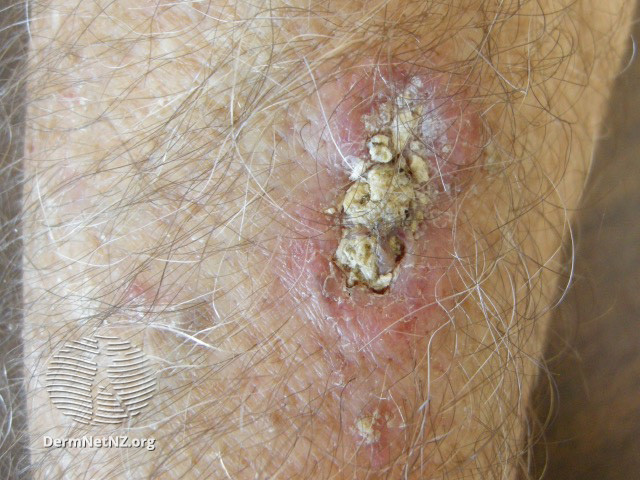
Call your dermatologist promptly about any new, persistent, growing, or changing spots on your skin — especially in areas of severe or long-standing HS symptoms.
Metabolic SyndromeMetabolic syndrome is a group of conditions that can raise the risk of heart disease and type 2 diabetes. The main treatment goals are to lower heart disease risk and prevent type 2 diabetes, if it hasn’t already developed.
HS and metabolic syndrome are associated. One adjusted meta-analysis found that HS was linked with higher odds of metabolic syndrome. Increased risk doesn’t mean that a shorter lifespan is inevitable.
The first line of treatment is heart-healthy lifestyle changes. Your healthcare provider may suggest heart-healthy eating, more physical activity, sleep, stress management, avoiding tobacco, or medication.
Heart ProblemsCardiovascular disease includes heart disease, stroke, and blood vessel disease. In one study, people with HS had higher rates of death related to heart disease or stroke, but this was especially true for people who had a history of smoking.
Chronic inflammation may contribute to cardiovascular risk, but health experts note that major knowledge gaps remain about exactly how HS may affect heart health. Talk with your doctor about your blood pressure, cholesterol, blood sugar, tobacco use, and heart or stroke symptoms.
DiabetesHS is associated with type 2 diabetes, but the risk appears lower than older estimates suggested. One large systematic review found that people with HS had 1.69 times the adjusted odds of diabetes, while the absolute difference in diabetes prevalence was small.
Diabetes can cause serious complications and may shorten life expectancy, but effective disease management can lower the risk of complications. If you have diabetes along with HS, ask your healthcare provider what targets and screenings are right for you.
Mental Health ProblemsPeople with HS may have a higher chance of depression and anxiety. A systematic review and meta-analysis found that depression and anxiety are common in adults with HS.
People with HS may also have a higher risk of suicide. A 2022 study of people treated at one HS clinic found that 21.23 percent had moderate or severe suicide risk.
This doesn’t mean everyone with HS will have mental health problems. If you’re feeling isolated, down, or more worried than usual or are thinking about harming yourself, reach out to your doctor right away.
Note: If you or someone you know needs help, contact the 988 Suicide & Crisis Lifeline by calling or texting 988 or using the online chat.

If you have concerns about how HS or any related condition might affect your risk for life-threatening illness, talk to a healthcare provider. They can help you decide whether you need testing, treatment, or a referral. Together, you can build a plan that supports your overall health and quality of life.
Get updates directly to your inbox.




 Continue with Facebook
Continue with Email
Continue with Facebook
Continue with Email
Continue with Facebook
Continue with Email
Continue with Facebook
Continue with Email
Become a member to get even more





 Join
Join


 Your Privacy Choices

This is a member-feature!
Sign up for free to view article comments.
Is anyone working on a cure
We'd love to hear from you! Please share your name and email to post and read comments.
You'll also get the latest articles directly to your inbox.