
Powered By



 Continue with Facebook
Continue with Email
Continue with Facebook
Continue with Email
Living with hidradenitis suppurativa (HS) can feel like an endless cycle of flare-ups, pain, and frustration. Even on the good days, there’s often worry about when the next bump will appear.
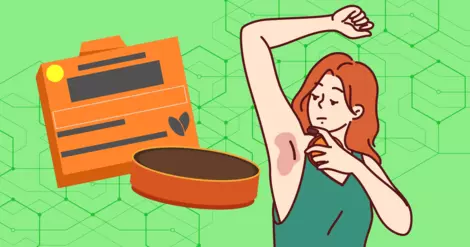
So when people hear that a chemical peel, which is a treatment usually linked to spa facials, might help calm HS, it’s natural to feel both curious and cautious. Could something meant to smooth fine lines really ease painful skin inflammation?
Let’s take a closer look at what chemical peels do, how one ingredient called resorcinol might actually help with HS, and what doctors say about safety.
A chemical peel is a skin treatment that uses a mild chemical solution to remove the top layers of dead or damaged skin. When that outer layer sheds, fresh, smoother skin grows underneath.
These treatments are usually done to brighten dull skin, treat acne scars, or even out skin tone. But recently, researchers have begun studying whether certain gentle peels might help unblock pores and reduce inflammation in people with HS. There are three main types of chemical peels:
Chemical peels act like a reset button for your skin. The solution gently removes old skin cells, unclogs pores, and helps new, healthy cells form.
For someone with HS, a chemical peel could have an impact because HS flare-ups often start when hair follicles become inflamed. That inflammation can lead to painful nodules (bumps), tunnels, and draining sores.
A gentle peel can help reduce that buildup, make pores less likely to clog, and sometimes even calm inflammation. However, not every chemical peel is safe for HS, and that’s where resorcinol stands out.
Current guidelines for HS do not recommend chemical peels in the traditional spa-oriented sense. Instead, guidance focuses on the use of a 15 percent resorcinol cream, described as a chemical-peeling agent in clinical literature. The distinction is important: while resorcinol is indeed a component often used in skin-resurfacing peels, standard chemical-peel formulations frequently include additional acids or ingredients that may be too harsh or unsafe for skin affected by HS.
Resorcinol is known for being antiseptic (fights germs), keratolytic (breaks down thick skin), and antipruritic (helps with itching). When applied as a cream, resorcinol helps to:
In a 2022 study, researchers found that using 15 percent topical resorcinol helped reduce pain and swelling in HS lesions, especially during flare-ups.
The cream works by breaking down keratin plugs (the material that clogs pores) while also reducing inflammation and bacteria on the skin.
For many people with HS, resorcinol feels like a small but meaningful breakthrough: something that’s gentle, accessible, and backed by real science.
Research into HS treatments is still growing, but resorcinol has consistently shown positive results. In several small studies, people using 15 percent resorcinol cream reported:
While this is exciting, resorcinol isn’t a cure; it’s a management tool. HS is a complex condition and often needs multiple treatments working together, like antibiotics, anti-inflammatory medications, and lifestyle adjustments. Resorcinol just adds another helpful layer to that plan.
While resorcinol is the standout for HS, a few other peel ingredients are sometimes discussed in dermatology:
It’s important to remember that what works for acne or sun damage doesn’t always work for HS. Because HS lesions can be open or draining, harsh peels can worsen irritation or delay healing.
That’s why it can be dangerous to use do-it-yourself peels or spa treatments for HS. Always ask your dermatologist before using any acid-based product on affected areas.
Chemical peels can help refresh skin, but for someone with HS, they must be used with great care.
Even mild peels can cause burning or peeling on healthy skin, and HS skin is already sensitive. All peels carry a risk of redness, swelling, and temporary skin color changes. If your dermatologist recommends a peel, they may test it on a small area first. For HS, this often may mean applying resorcinol cream directly to lesions instead of treating the entire area. This targeted approach could help heal nodules while avoiding unnecessary irritation.
Most side effects from resorcinol or mild peels are temporary. These can include:
But if the product is too strong or used on open HS wounds, it can lead to chemical burns or infection. Here’s how to stay safe:
If you’re considering a chemical peel for HS, start with a conversation, not a product. A board-certified dermatologist can evaluate your skin, the severity of your HS, and any medications you’re already using.
They may prescribe resorcinol cream for mild lesions or use it alongside other treatments like antibiotics or biologics. In many cases, the best results come from combining gentle topical care with internal treatments that calm inflammation from the inside out.
On myHSteam, people share their experiences with hidradenitis suppurativa, get advice, and find support from others who understand.
Have you thought about using a chemical peel to help treat your HS? Let others know in the comments below.
Get updates directly to your inbox.



 Continue with Facebook
Continue with Email
Continue with Facebook
Continue with Email
Continue with Facebook
Continue with Email
Continue with Facebook
Continue with Email
Become a member to get even more





 Join
Join



 Your Privacy Choices

This is a member-feature!
Sign up for free to view article comments.
We'd love to hear from you! Please share your name and email to post and read comments.
You'll also get the latest articles directly to your inbox.