
Powered By



It’s likely you have rubbing alcohol stashed away in your medicine cabinet. If you have hidradenitis suppurativa (HS), you might wonder if it’s a good option to manage your symptoms. However, rubbing alcohol isn’t the best choice for people with HS — especially when you have active HS lesions, draining tunnels, or recently shaved skin.
Many people with HS may feel the need to “disinfect” their HS zones, even when there are no active lesions. But, it’s important to remember that HS isn’t caused by poor hygiene or surface bacteria. It’s a chronic inflammatory skin condition that affects the hair follicles that lie deep beneath your skin. That means a disinfectant, like rubbing alcohol, wouldn’t treat the root cause of HS or provide much benefit.
Here, we will explain why rubbing alcohol isn’t a good choice for HS care, how it can affect the delicate underarm skin, and safer alternatives you can use instead.
Rubbing alcohol (also known as isopropyl alcohol) is used to kill bacteria and viruses on surfaces. Some people may try to use it to clean their skin, but it can dry the skin out, and it isn’t recommended to be used on sensitive skin, like in HS.
Since HS isn’t caused by bacteria or a virus, there’s no reason to apply rubbing alcohol to HS lesions. The painful bumps, abscesses, and tunnels people with HS experience are the result of blocked follicles and an overactive immune response, not germs on the surface of your skin. This means that rubbing alcohol won’t target the underlying inflammation, and it won’t improve your HS symptoms.
Rubbing alcohol could temporarily dry up drainage from an open lesion, but that doesn’t mean it’s helping your skin heal. Dryness can actually worsen HS symptoms and cause cysts to rupture.
Although HS isn’t caused by infection, it is possible for untreated HS lesions on the skin to become infected. However, rubbing alcohol still won’t help with an HS-related skin infection because HS infections usually go deeper than the surface of the skin and require other treatment.
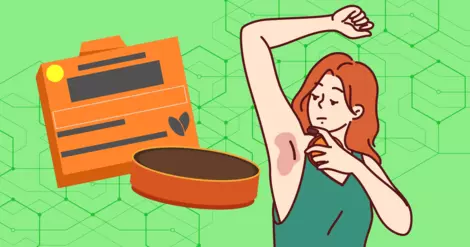
The skin under your arms is thinner and more delicate than many other areas in your body. It’s also a high-friction zone that’s often exposed to sweat, heat, and hair removal — all of which can make HS-prone skin more vulnerable to irritation. Given that this area of skin is more sensitive, that makes it even more sensitive to harsh chemicals, like rubbing alcohol.
There are safer and more effective alternatives to care for HS without having to rely on rubbing alcohol. Here are some strategies that can help soothe symptoms and support healing.
Aloe vera gel is known for its soothing and anti-inflammatory properties. It can help calm irritated skin and provide some relief from burning or itching. Just keep in mind that it won’t heal any open wounds and shouldn’t be used as a substitute for other HS treatments.
Warm compresses can help soothe pain, reduce swelling, and encourage drainage from active lesions. You can try soaking a clean washcloth in warm water and pressing it against the infected area.
It’s important to note the water’s temperature. A member from the myHSteam community shared, “For me, I’ve found that during my HS flare-ups, I stop using hot water. I use lukewarm water, and it seems to ease it a bit.”
Many traditional deodorants and antiperspirants have alcohol, fragrances, and other ingredients that can irritate HS-prone skin. To avoid irritating the skin, try to look for aluminum-free, fragrance-free options, or consider natural deodorants.
One member shared their personal experience, “I know this does not work for everybody, but I recently started to make my own [deodorant] with baking soda and coconut oil. So far, it has worked both for underarm sweat, and I have not had any flaring in my underarms since starting this new homemade deodorant about six months ago.”
If you want to make your own homemade deodorant, make sure to discuss the best ingredients with your healthcare provider based on your goals and needs. This will ensure it’s safe for you to use and won’t cause any flare-ups.
When you aren’t having flare-ups, it’s important to know which strategies you can use to prevent them. Here are some tips to help you take care of your skin:
While HS isn’t caused by infection, open lesions can become infected if bacteria get into the wound. It can be difficult to differentiate between HS symptoms and a bacterial skin infection. If you’re experiencing fever, headache, or fatigue along with painful skin symptoms, contact your doctor.
If you have an infection, your doctor might prescribe antibiotics. Never try to treat a suspected infection on your own using rubbing alcohol or any other products that weren’t recommended by your doctor or a board-certified dermatologist.
On myHSteam, people share their experiences with HS, get advice, and find support from others who understand.
What home remedies have you tried on your HS lesions? Let others know in the comments below.
Get updates directly to your inbox.




 Continue with Facebook
Continue with Email
Continue with Facebook
Continue with Email
Continue with Facebook
Continue with Email
Continue with Facebook
Continue with Email
Become a member to get even more





 Join
Join



 Your Privacy Choices

This is a member-feature!
Sign up for free to view article comments.
It would burn like the devil!!
We'd love to hear from you! Please share your name and email to post and read comments.
You'll also get the latest articles directly to your inbox.