Finding the right washing routine with HS can feel like solving a puzzle — especially when your skin sends mixed signals! Here's a practical approach to balancing sensitivity with your need to exfoliate:
For HS-affected areas
- Avoid net sponges, loofahs, or washcloths entirely on these spots
- Use your hands with a gentle Show Full Answer
Finding the right washing routine with HS can feel like solving a puzzle — especially when your skin sends mixed signals! Here's a practical approach to balancing sensitivity with your need to exfoliate:
For HS-affected areas:
- Avoid net sponges, loofahs, or washcloths entirely on these spots
- Use your hands with a gentle antimicrobial cleanser instead
- Let the cleanser do the work — no scrubbing needed
- Pat dry gently rather than rubbing
For non-affected areas:
- Using your net sponge on unaffected skin should generally be fine
- Just be careful not to cross-contaminate affected areas
Good cleanser ingredients to look for:
- Benzoyl peroxide
- Chlorhexidine
- Zinc pyrithione
Ingredients to avoid everywhere:
- Fragrances, dyes, parabens
- Harsh exfoliants or beta-hydroxy acids
- Rubbing alcohol For excessive sweating and odor, here are some helpful strategies:
- Use absorbent pads or dressings on affected areas to manage drainage and moisture
- Change them frequently, especially after sweating
- Wear loose, breathable fabrics like cotton or bamboo to reduce sweating
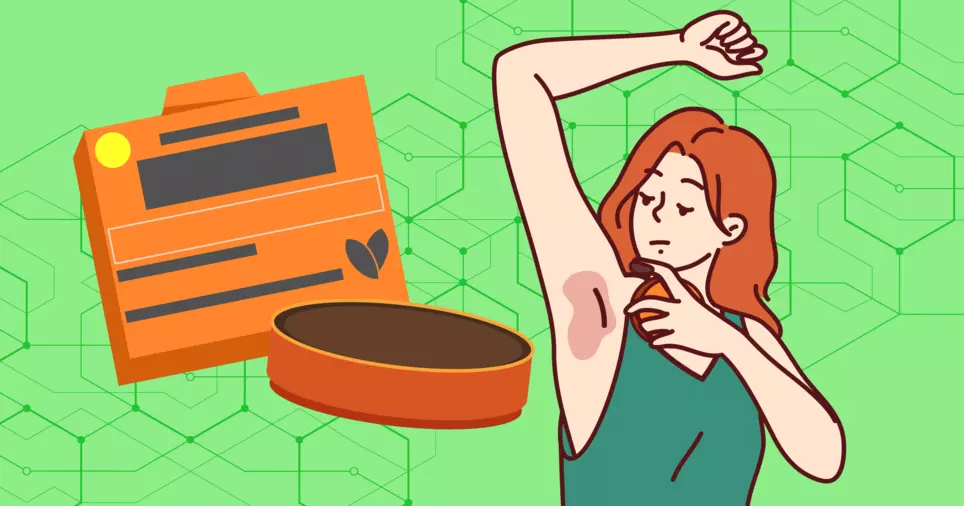
- Choose a gentle, fragrance-free deodorant — avoid antiperspirants on broken or irritated skin
- Keep affected areas as dry as possible after washing, since moisture can worsen symptoms
If odor and sweating feel unmanageable, it's worth talking to your dermatologist — they may be able to prescribe additional treatments to help.
October 18







 Join





 Your Privacy Choices